Nature & Science

The settled (and unsettled) science behind everyday natural phenomena — light, weather, living things

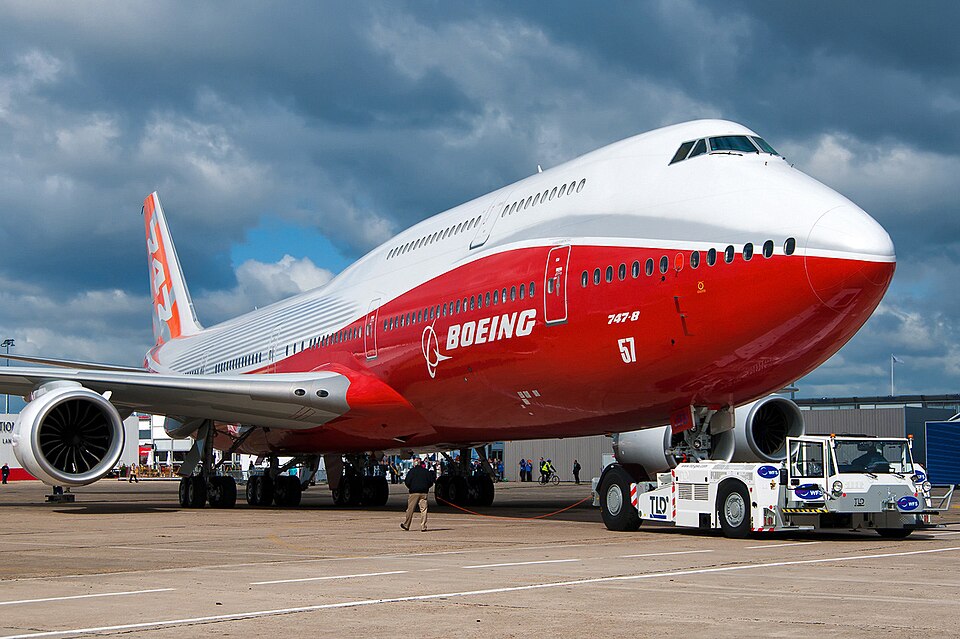
How Do Airplanes Generate Lift? The Real Physics (and Myths) Behind Flight

How Do Airplanes Generate Lift? The Real Physics (and Myths) Behind Flight

You may have learned that lift comes from the different path lengths above and below a wing — the equal transit time theory. NASA says that's wrong. So what really generates lift? We verify the actual physics against the Kutta-Joukowski theorem, circulatory flow, and the relationship between Bernoulli and Newton's third law.
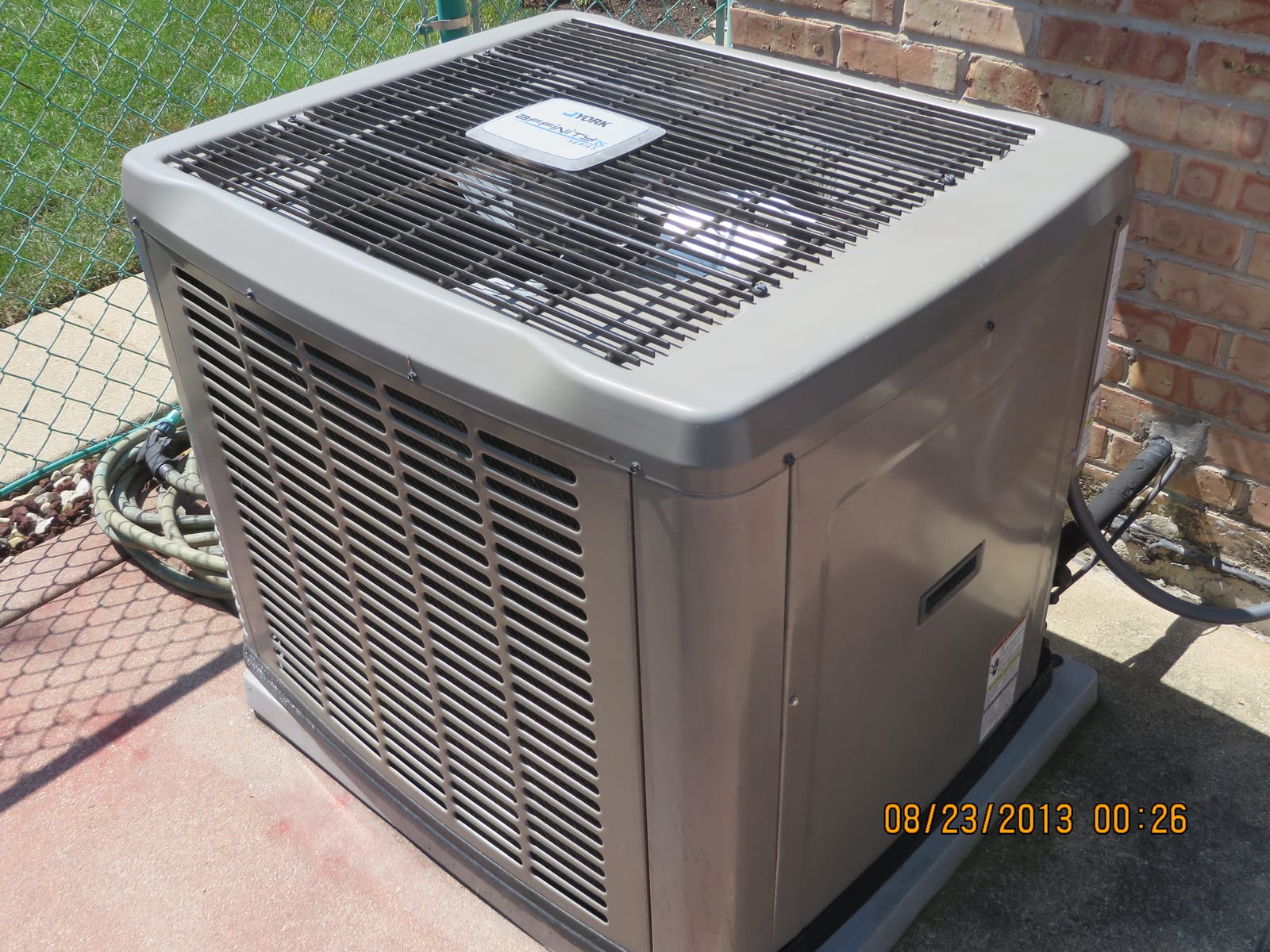

Air Conditioners Don't Make Cold—They Move Heat: How the Vapor-Compression Cycle Really Works

Air Conditioners Don't Make Cold—They Move Heat: How the Vapor-Compression Cycle Really Works

Do you picture the outdoor unit sucking in fresh air, chilling it, and piping it inside? It doesn't. Indoor air just recirculates within the room—what actually travels between the indoor and outdoor units through the suction and liquid lines is refrigerant, not air, carrying heat out. An air conditioner is a heat pump running the exact same vapor-compression refrigeration cycle as your refrigerator. We trace the thermodynamic principle—compress a gas and it heats up; expand it and it cools down—and uncover why spacecraft burn up during re-entry. Spoiler: it's the same compression heating, not air friction.

What Legally Makes a Beer "Draft"? Not What You Think

What Legally Makes a Beer "Draft"? Not What You Think

Does "draft" mean the yeast is still alive? We check what the word legally means across the US, UK, Japan, and Korea — and find four different standards, none of which is about living yeast.