Recent posts

Latest posts from the blog

Don't Take Antibiotics with Milk? The Real 30-Minute Rule Is on the Other Side of the Meal

Don't Take Antibiotics with Milk? The Real 30-Minute Rule Is on the Other Side of the Meal

Every pharmacy counter has a version of the same warning: don't take that antibiotic with milk. We check FDA drug labels and clinical guidelines to see which drugs actually require a strict timing window — and it turns out the real minute-counted '30-minute rule' belongs to drugs taken *before* eating, like alendronate and levothyroxine, not after. Korea's blanket '30 minutes after meals' habit turns out to be about something else entirely, and 'never mix antibiotics with milk' overstates the problem: only specific drug classes actually bind to calcium.

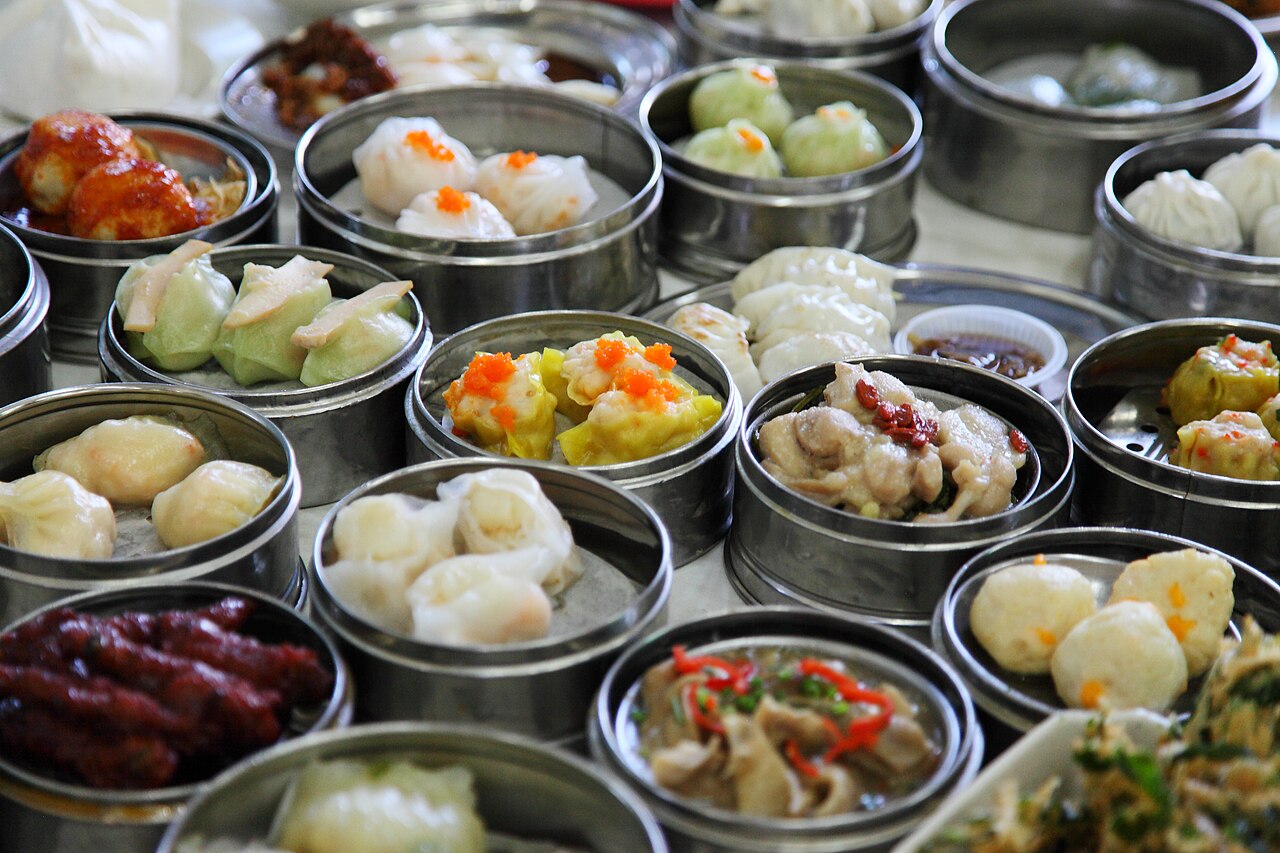
Are Mandu, Gyoza, and Dim Sum the Same Thing? — Names That Don't Sit on the Same Level

Are Mandu, Gyoza, and Dim Sum the Same Thing? — Names That Don't Sit on the Same Level

Line up mandu, gyoza, dim sum, and samosa and it feels natural to ask what separates them. But the names don't point at the same level to begin with — one is a whole style of eating, another a specific item, and the same written character can mean different foods depending on the country. We check what each of these words actually refers to.

Why a Wet Cloth Cools Your Drink but Melts Your Ice Cream — The Wet-Bulb Limit

Why a Wet Cloth Cools Your Drink but Melts Your Ice Cream — The Wet-Bulb Limit

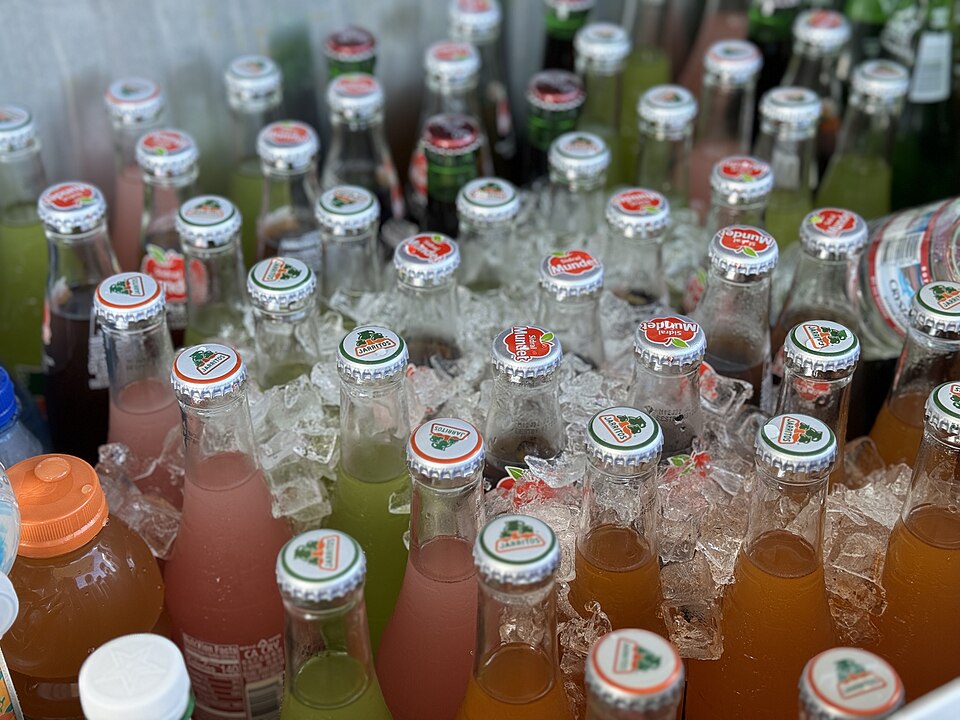
Wrapping something in a wet cloth and pointing a fan at it is a genuinely good way to cool a warm drink — and one of the fastest ways to ruin a frozen one. Evaporative cooling bottoms out at the wet-bulb temperature, and a damp cloth conducts heat far better than still air even while sitting cooler than the room. We check what it actually takes to hold a low temperature without a refrigerator.

How Do You Get Rid of Heat in Space? Radiation Is the Only Way Out — and It's Slow

How Do You Get Rid of Heat in Space? Radiation Is the Only Way Out — and It's Slow

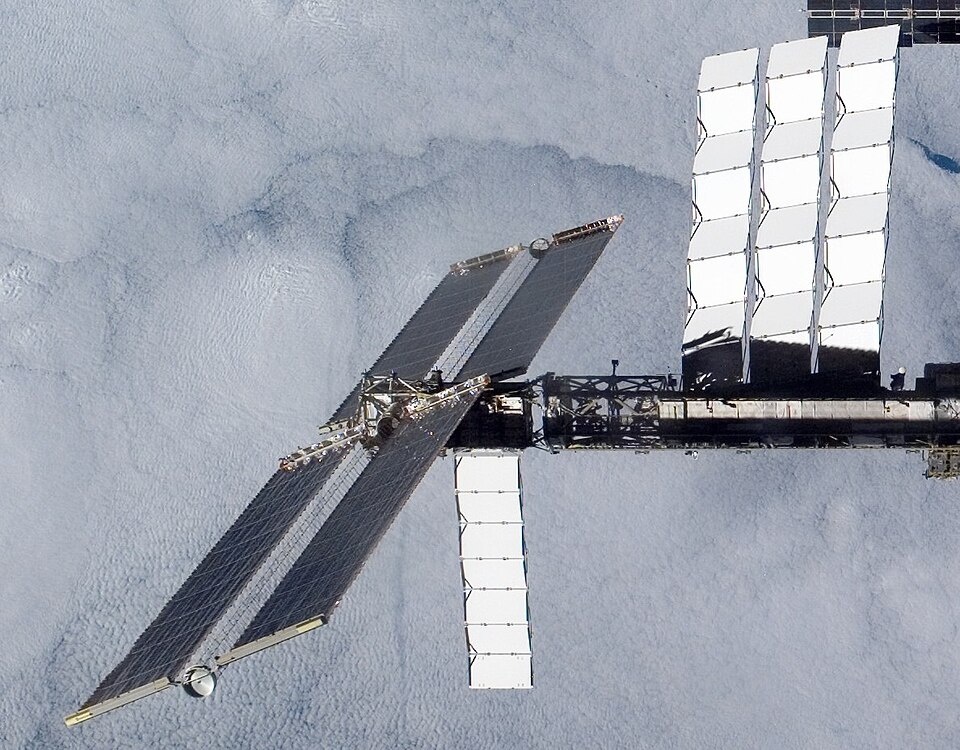
The vacuum of space is popularly imagined as cold enough to flash-freeze anything exposed to it. But a vacuum has no air or water to carry heat away, so conduction and convection simply don't happen there — only radiation does, and radiation is slow. That's why the ISS carries a 70 kW ammonia cooling loop, why spacesuits are built to fight overheating rather than frostbite, and why Google named cooling as its hardest problem in putting AI data centers in orbit. We check the Stefan-Boltzmann law against the real engineering, and against the one detail *2001: A Space Odyssey* got backward.